

The CCC https://lithuania.country-reports.net/governmental-accounting-definition-objectives/ measures how long it takes for a company to convert its inventory and accounts receivable into cash, and pay off its accounts payable. The shorter the CCC, the more efficient the company is at managing its working capital and generating cash. A longer CCC means that the company has more cash tied up in its operations, which can affect its liquidity and profitability. By applying these techniques, a company can improve its cash conversion cycle by optimizing its accounts payable management and achieve a better cash flow and working capital position. However, the company should also monitor and evaluate the results of its accounts payable optimization and make adjustments as needed. By doing so, the company can optimize its cash flow management and enhance its financial performance and competitiveness.
- In other words, a cash cycle starts when a firm purchases inventory and ends when it receives cash payments from its sales.
- Generally, a lower CCC is preferred, as it indicates that the company can quickly convert its resources into cash.
- Generally, to maintain a healthy liquidity you would aim for a working capital ratio of 1.5 to 2.0.
- The best CCC for a firm will ultimately rely on a number of variables, including its industry, size, and financial situation.
- By regularly monitoring this metric, you can make informed decisions about your operations, improve your liquidity, and increase your profitability.
- It becomes an important metric for users who get an opportunity to estimate everything from receiving the outstanding dues to paying their bills.
- However, it may also suggest that the company is investing heavily in growth opportunities, which could pay off in the long term.
Learn Financial Modeling from A to Z
- For example, if a raw material input arrives late to the production process, the entire production of the finished product could be delayed or halted, which could impact customer relationships.
- A cash conversion cycle lets businesses calculate the time taken to sell their inventory, convert their investments into earnings, and pay their outstanding dues using the cash received.
- Method incorporating time complements static measures such as the more common current ratio.
- The working capital ratio is calculated by dividing your current assets by your current liabilities.
- This proactive approach allows companies to identify potential cash shortages and surpluses, optimizing working capital and guiding smart investments.
- The cash conversion cycle indicates the time (no. of days) it takes for the cash invested in the business to be converted back to cash.
Through CCC, businesses calculate how long it takes to get back their cash tied up in their working capital in the form of accounts receivable. You can use online databases, such as Yahoo Finance or Morningstar, to look up the financial statements of companies in your industry and calculate their CCC. Alternatively, you can use industry reports, such as those from IBISWorld or Dun & Bradstreet, to get the average CCC for your industry sector. The industry average CCC gives you a baseline to compare your performance with your peers. Technology companies, especially in hardware manufacturing, tend to have longer CCCs due to complex supply chains and extended production cycles. Semiconductor manufacturers, for instance, secure raw materials months in advance, increasing working capital requirements.
Cash Conversion Cycle: Overview, Formula & Calculation
- A company has $1,000,000 in current assets and $750,000 in current liabilities.
- Understanding the Cash Conversion cycle and its importance is vital for companies aiming to optimize their cash flow management and working capital.
- To understand whether a company’s CCC is “good”, one needs to keep in mind that this is entirely dependent on the industry standards and how efficiently the operations of a business are managed.
- Take action to increase cash collections or reduce the number of days in the cycle.
By understanding how to compare CCC against industry averages and competitors, businesses can gain valuable insights into their financial performance and identify areas for improvement. The cash conversion cycle (CCC) is a measure of time indicated in days needed to convert inventory investments and other resources into sales-derived cash flow. Also known as a net operating cycle or simply cash cycle, CCC determines how long a net input dollar stays non-liquid from production to sale before it is received as cash. A negative CCC means that you carry low accounts receivable and inventory balances compared to sales. Your customers pay you quickly, and you carry just enough inventory items to fill customer orders.
Reshoring vs Nearshoring: Key Differences and Business Benefits

For example, a seasonal increase in the CCC may not be a cause for concern, as long as the company can generate enough cash flow to meet its obligations. However, a persistent increase in the CCC may indicate a deterioration in the company’s performance or a shift in the industry dynamics. Similarly, the CCC can vary across different segments cash conversion cycle of the company, such as products, markets, or regions.

CCC can vary significantly depending on the nature of the business, the industry, and the market conditions. Anytime you come across a company with a negative cash conversion cycle, it means the business model receives money up front or much quicker compared to what they spend. If the cash conversion number continues to go up, it’s a sign that business is not operating well. Because the CCC looks at the entire cycle from purchasing to sales to collections, any time the final cash conversion cycle number increases, dig in to see where the real issue is coming from. A software development company implemented a new marketing strategy in 2019 and wants to know how effective it has been, one year later. assets = liabilities + equity They want it as a metric for determining whether their inventory moved faster, slower, or not at all in 2019, compared to 2018.
The cash conversion cycle (CCC) is a key metric that measures how efficiently a company manages its working capital. Working capital is the difference between a company’s current assets and current liabilities, and it represents the amount of funds available to run the day-to-day operations of the business. The CCC indicates how long it takes for a company to convert its inventory and accounts receivable into cash, and how much time it has to pay its accounts payable. The shorter the CCC, the better the liquidity and profitability of the company. The longer the CCC, the more cash is tied up in the business cycle, and the higher the risk of cash flow problems.
How to improve the cash conversion cycle
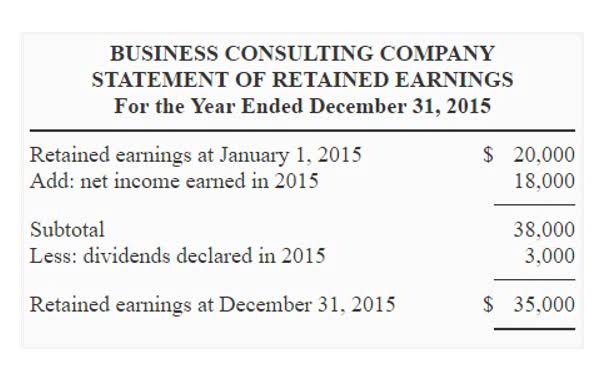
It provides valuable insights into working capital management and can guide decision-making to optimize cash flow and overall financial performance. Accrual accounting requires you to post accounts receivable and accounts payable balances, both of which are used in the CCC formula. When you sell an item and don’t receive cash from the customer, you increase accounts receivable. Accounts payable, on the other hand, increases when you receive a bill and don’t pay it immediately. Investors should also look to minimize Working Capital as a way to optimize their Cash Conversion Cycle. Working Capital is the cash tied up in inventory and accounts receivable, so minimizing these figures will directly corresponding to reducing cycle time.
InvestingPro+: Access Cash Conversion Cycle Data Instantly
- In fact, the company has highlighted the CCC as a key performance metric in its financial statements.
- Businesses that strategically adjust their payment timing can better manage their cash and enhance financial health.
- This non-receipt of the payment from customers makes the businesses late in paying for the inventory they bought.
- Inventory management, sales realization, and payables are the three metrics that affect the CCC.
- Once you know the value for average accounts receivable, you can calculate the DSO.
- A negative cash conversion cycle means that inventory is sold before you have to pay for it.
It ensures timely payments and reduces financial stress through effective cash management and reporting tools. Building strong relationships with suppliers helps businesses negotiate better credit terms, allowing them to hold onto cash longer while maintaining good vendor relationships. In some cases, this can even lead to a negative cash conversion cycle, enhancing financial performance. Building strong relationships with suppliers and using technology for efficient booking and payment processing can further improve cash flow, helping hospitality businesses stay flexible amid these challenges. Implementing credit policies and leveraging analytics resources can aid in better cash flow forecasting.

Deja tu comentario